How to Recognize a Plumbing Emergency Before It’s Too Late
Plumbing emergencies can strike unexpectedly, turning everyday routines into stressful challenges. From a burst pipe in the middle of the night to a sudden water heater failure, these situations can escalate quickly, causing significant property damage, health risks, and costly repairs. Recognizing the early signs of a plumbing emergency is crucial for homeowners and property managers alike, as timely intervention often prevents minor issues from becoming catastrophic problems. In a world where plumbing systems are increasingly complex, awareness and preparedness are more important than ever. Regular monitoring of your plumbing, combined with an understanding of how systems function, can make the difference between a manageable repair and a full-blown disaster. Being proactive not only preserves your property but also ensures peace of mind for your household.
Understanding the warning signals of a potential plumbing disaster is not only about protecting your home but also about safeguarding your family and finances. Slow leaks, unusual noises, and unexpected changes in water pressure might seem minor initially, but they can indicate deeper problems within the system. By familiarizing yourself with the common indicators of plumbing emergencies, you can act proactively, reduce repair costs, and minimize damage. This guide offers practical, actionable insights to help you identify plumbing emergencies early, ensuring that you’re prepared to respond before it’s too late. Early recognition and immediate action can prevent health hazards, preserve valuable belongings, and reduce long-term repair expenses, making vigilance an essential part of homeownership.
Preventive Measures and Best Practices
Regular Inspections
Routine plumbing inspections can identify potential issues before they escalate into serious emergencies. Hiring a professional plumber to carefully examine pipes, valves, water heaters, and sewer lines ensures early detection of wear, corrosion, or minor leaks that could develop into costly emergencies in the future.
Timely Maintenance
Proper maintenance of fixtures, drains, and household appliances helps extend their lifespan and reduce emergency risks substantially. Tasks such as clearing clogged drains, checking for hidden leaks, flushing water heaters, and monitoring water pressure are simple yet effective ways to avoid sudden plumbing failures and expensive repairs later.
Emergency Preparedness
Homeowners should always have a clear plan in place for plumbing emergencies. This includes knowing the precise location of main water shutoff valves, keeping essential tools readily accessible, and having a trusted plumbing service contact on hand. Preparedness allows for quick action, minimizing potential damage, stress, and inconvenience during unexpected situations.
Awareness and Education
Understanding how your home’s plumbing system operates empowers homeowners to identify irregularities quickly and respond effectively. Learning about pipe materials, water flow, and typical appliance behavior enables proactive problem-solving and helps distinguish between minor issues and critical emergencies that require immediate professional intervention.
Real-World Scenarios and Expert Insights
Burst Pipe Case Study
Consider a midwinter scenario where a homeowner ignores minor frost forming on a basement pipe. Within hours, the pipe bursts, flooding the basement and causing extensive damage to flooring, walls, and stored personal items. Early detection—such as noticing frost, minor leaks, and low water pressure—could have allowed for preventive measures, saving thousands in repair and restoration costs.
Sewer Backup Example
A household experiences slow drainage across multiple fixtures along with a persistent, unpleasant sewage odor. These symptoms often precede a serious sewer line backup, which can be hazardous, costly, and time-consuming to repair. Immediate inspection and professional clearing prevent health risks, structural damage, and prolonged inconvenience to residents in the home.
Expert Recommendations
Plumbing professionals consistently emphasize vigilance and routine monitoring for homeowners. Simple steps like watching for water stains, listening for unusual noises, and checking water pressure can prevent major emergencies before they escalate. Experts also advise homeowners to invest in high-quality plumbing fixtures and consider annual professional plumbing checkups for long-term peace of mind.
Challenges in Recognizing Emergencies
Hidden Plumbing Issues
Many plumbing problems develop behind walls, ceilings, or under floors, making them difficult to detect early. Hidden leaks or corroded pipes often do not present obvious symptoms until a major failure occurs, underscoring the importance of proactive inspections, awareness, and professional evaluation to avoid costly surprises.
Misinterpreting Minor Issues
Homeowners sometimes mistake early warning signs for trivial problems, such as attributing low water pressure to a municipal supply issue rather than a localized leak. This delay in addressing the root cause can exacerbate damage, increase repair costs, and lead to significant inconvenience over time.
Technological Complications
Modern plumbing systems often incorporate advanced appliances, water filtration units, and smart home devices. While these innovations improve efficiency and convenience, they can also introduce complex failure points that are harder to diagnose without professional knowledge. Staying informed and consulting experienced plumbing experts ensures accurate assessment, timely intervention, and reliable repairs.
Trusted Professionals Providing Comprehensive Plumbing Services Daily
Recognizing plumbing emergencies before they escalate is a critical aspect of homeownership and property management. By understanding common warning signs, monitoring water pressure, paying attention to unusual noises, inspecting for leaks, and being aware of appliance performance, homeowners can prevent minor issues from becoming costly disasters. Proactive maintenance, education, and preparedness are the keys to managing plumbing systems effectively, ensuring safety, functionality, and long-term durability.
When emergencies arise, having access to experienced professionals is invaluable. GK Plumbing, based in Northglenn, Colorado, brings over 15
years of expertise in providing dependable plumbing solutions. Specializing in emergency repairs, routine maintenance, and complex system diagnostics, GK Plumbing
offers swift, effective interventions to safeguard homes and businesses from unexpected water damage and costly repairs. Their team emphasizes trust, professionalism, and personalized service, guiding clients through every step of emergency response and preventive care. Choosing GK Plumbing
ensures peace of mind, knowing that a seasoned plumbing partner is ready to respond promptly, minimize damage, and restore your plumbing system to optimal performance. With a strong commitment to quality and customer satisfaction, GK Plumbing
stands as a reliable authority for all your plumbing needs.
Understanding Plumbing Emergencies
What Constitutes a Plumbing Emergency?
A plumbing emergency is any issue that threatens the safety, functionality, or integrity of your plumbing system and requires immediate attention. Unlike routine maintenance issues, emergencies demand prompt action to prevent water damage, mold growth, or system failure. Examples include burst pipes, overflowing toilets, major leaks, sewer backups, and malfunctioning water heaters. Recognizing these emergencies early can mean the difference between a simple repair and a costly renovation.
The Cost of Ignoring Early Signs
Ignoring early warning signs of plumbing problems can result in extensive damage and high repair bills. For instance, a small leak under the sink may initially seem negligible, but over time, it can weaken flooring, promote mold growth, and compromise structural integrity. Similarly, ignoring low water pressure or foul-smelling drains can lead to clogged systems or sewage backups. Homeowners often underestimate the cumulative cost of delayed action, emphasizing the need for vigilance and prompt intervention.
Common Warning Signs
Unusual Water Pressure
Fluctuating water pressure is often an early indicator of a plumbing issue. Low water pressure might signal a clogged pipe or a hidden leak, whereas sudden spikes can suggest pipe damage or blockages. Monitoring your home’s water flow regularly allows you to identify inconsistencies early and address the underlying problem before it escalates.
Strange Noises
Banging, gurgling, or hissing noises from pipes are not merely nuisances—they often signal serious plumbing issues. “Water hammer,” for instance, can cause pipes to loosen or burst if unaddressed. Gurgling sounds in drains may indicate partial clogs, while hissing noises can be signs of leaking or broken pipes. Being attentive to these auditory cues can help prevent larger emergencies.
Visible Leaks and Water Damage
Leaks may appear as small puddles, damp spots, or water stains on walls, ceilings, or floors. Even minor leaks should not be ignored, as they can worsen over time and promote mold or mildew growth. Regularly inspecting plumbing fixtures, under-sink areas, and exposed piping can help detect issues before they become emergencies.
Foul Odors
Persistent foul smells, particularly those resembling sewage, are warning signs of sewer line problems or hidden leaks. Odors emanating from drains or around plumbing fixtures indicate potential clogs, breaks, or backup issues. Immediate action is required to prevent health hazards and structural damage.
Specialized Plumbing Concerns
Water Heater Failures
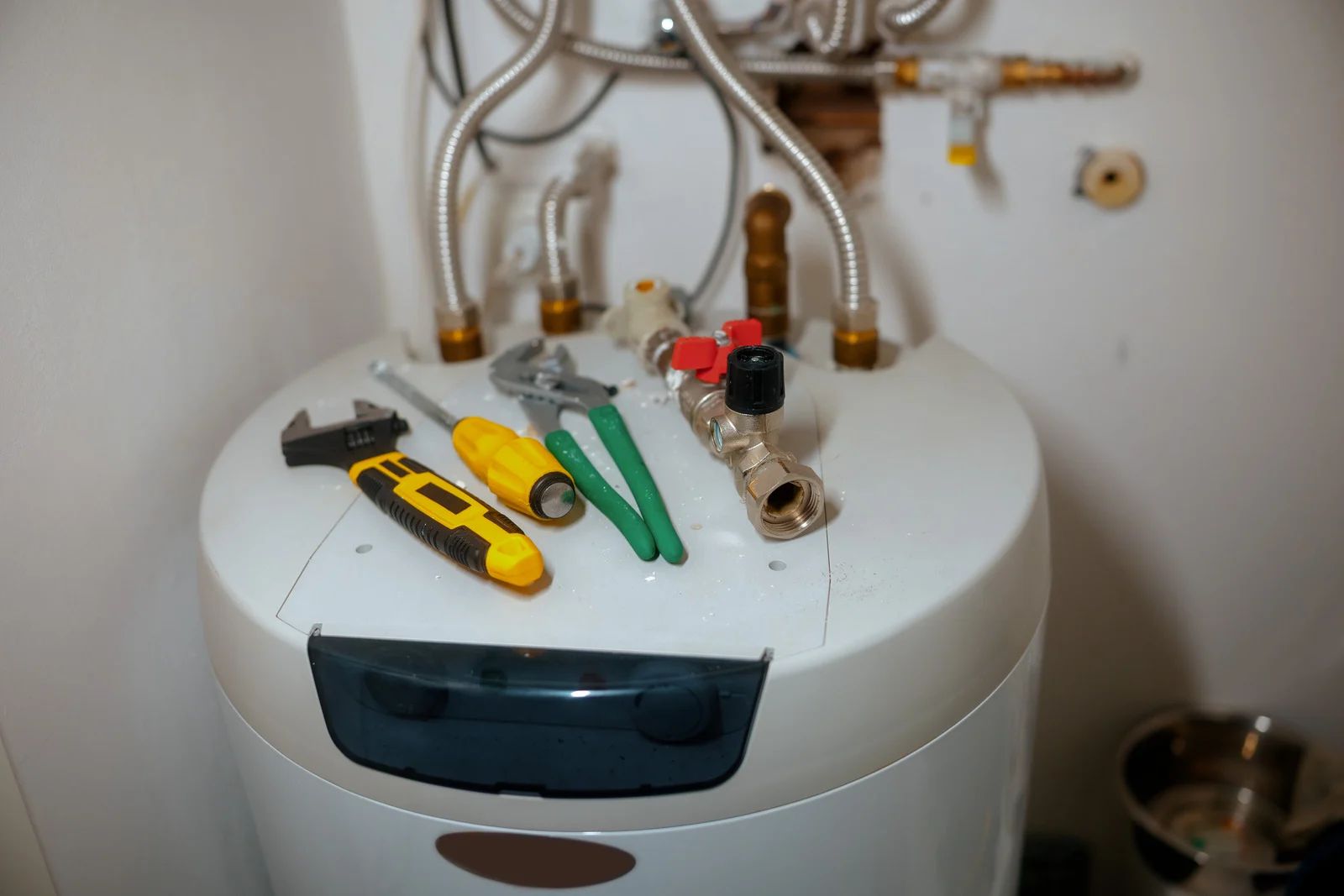
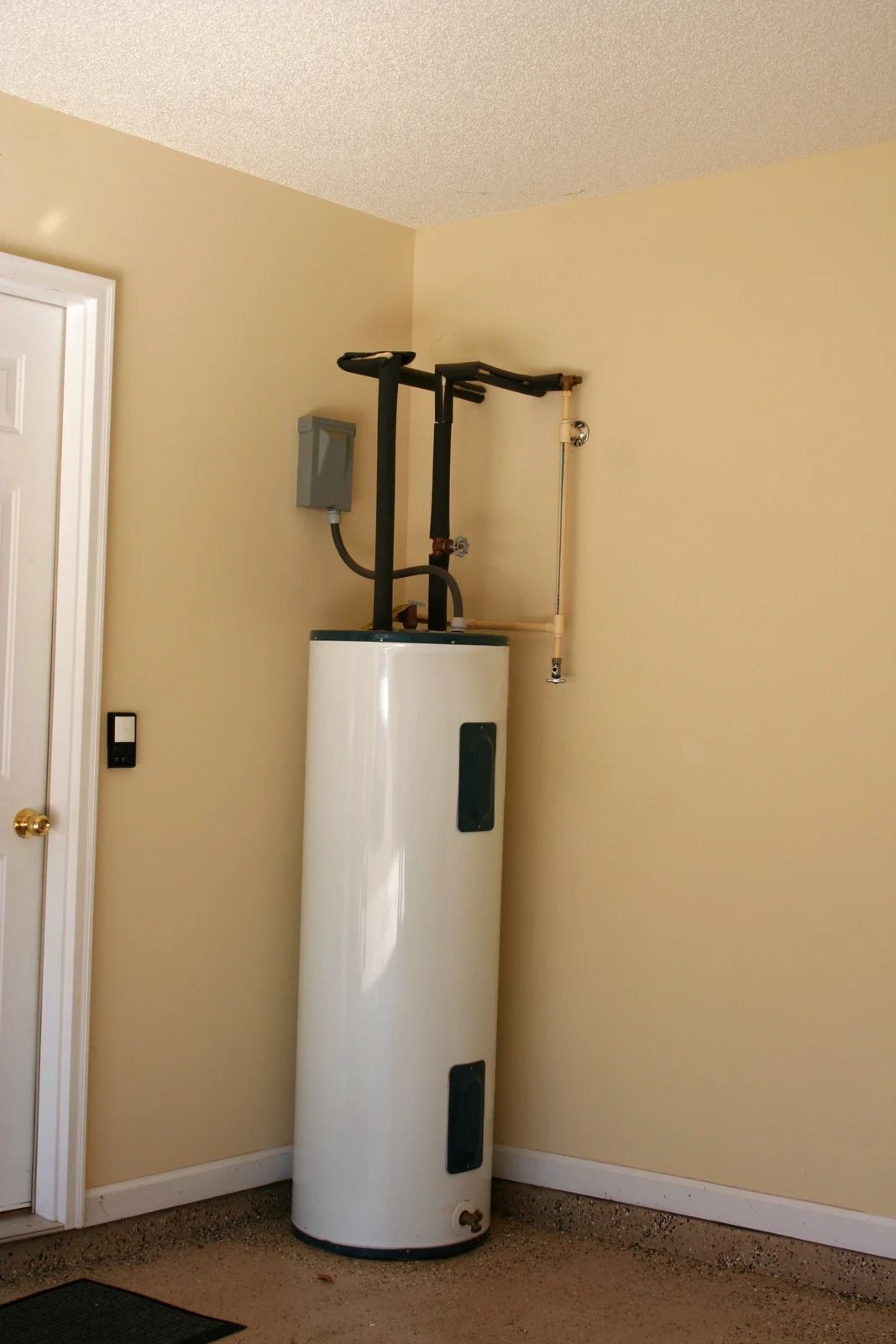
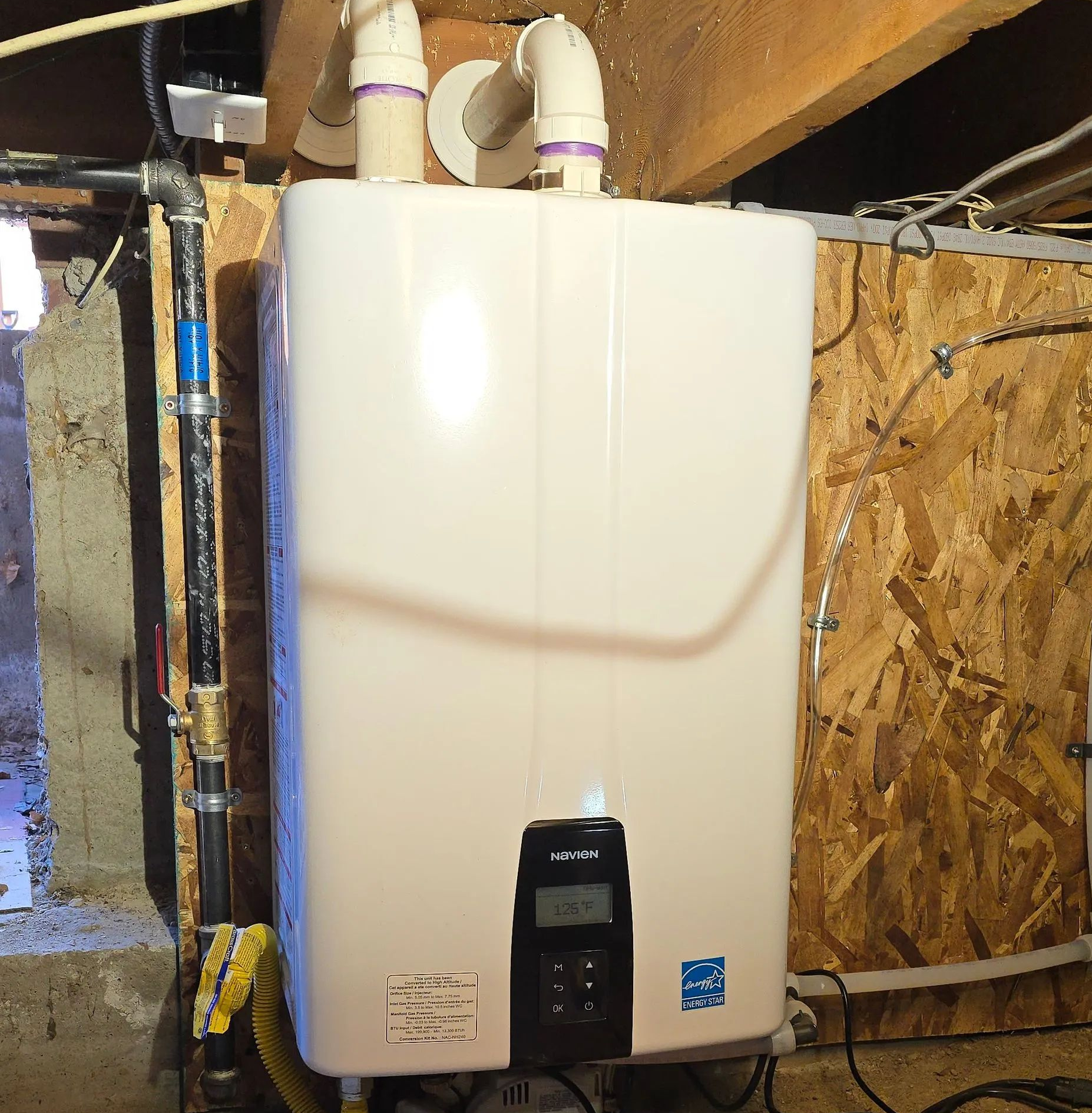
A malfunctioning water heater can quickly become an emergency if it leaks, loses heat, or bursts unexpectedly. Common indicators include rusty water, inconsistent temperature, and unusual noises such as popping or banging within the unit. Homeowners should schedule regular maintenance checks and remain alert to any performance anomalies to avoid sudden water heater emergencies or costly replacements.
Sewer Line Blockages
Sewer backups are among the most severe plumbing emergencies due to the serious health risks and extensive cleanup involved. Signs include slow-draining sinks, multiple clogged fixtures, and persistent sewage odors in the home environment. Early recognition is critical, as prolonged exposure to raw sewage can damage property, create health hazards, and increase repair costs significantly.
Frozen or Burst Pipes
Cold climates present unique risks, as water pipes may freeze and eventually burst if ignored. Warning signs include frost on exposed pipes, unusual water pressure fluctuations, or even small leaks that appear before a major rupture occurs. Preventive measures, such as proper insulation and timely winterization of vulnerable areas, can greatly reduce the likelihood of emergencies during freezing temperatures.